
Last Days in Perú
nikkei, chifa, and LUM

We arrived at a hotel in the Country Club neighborhood (Chase points are the bomb) looking and smelling like feral animals. No clean clothes to our name and laundry service that’ll take more time than we’ll be in town, we set out to get some grub.
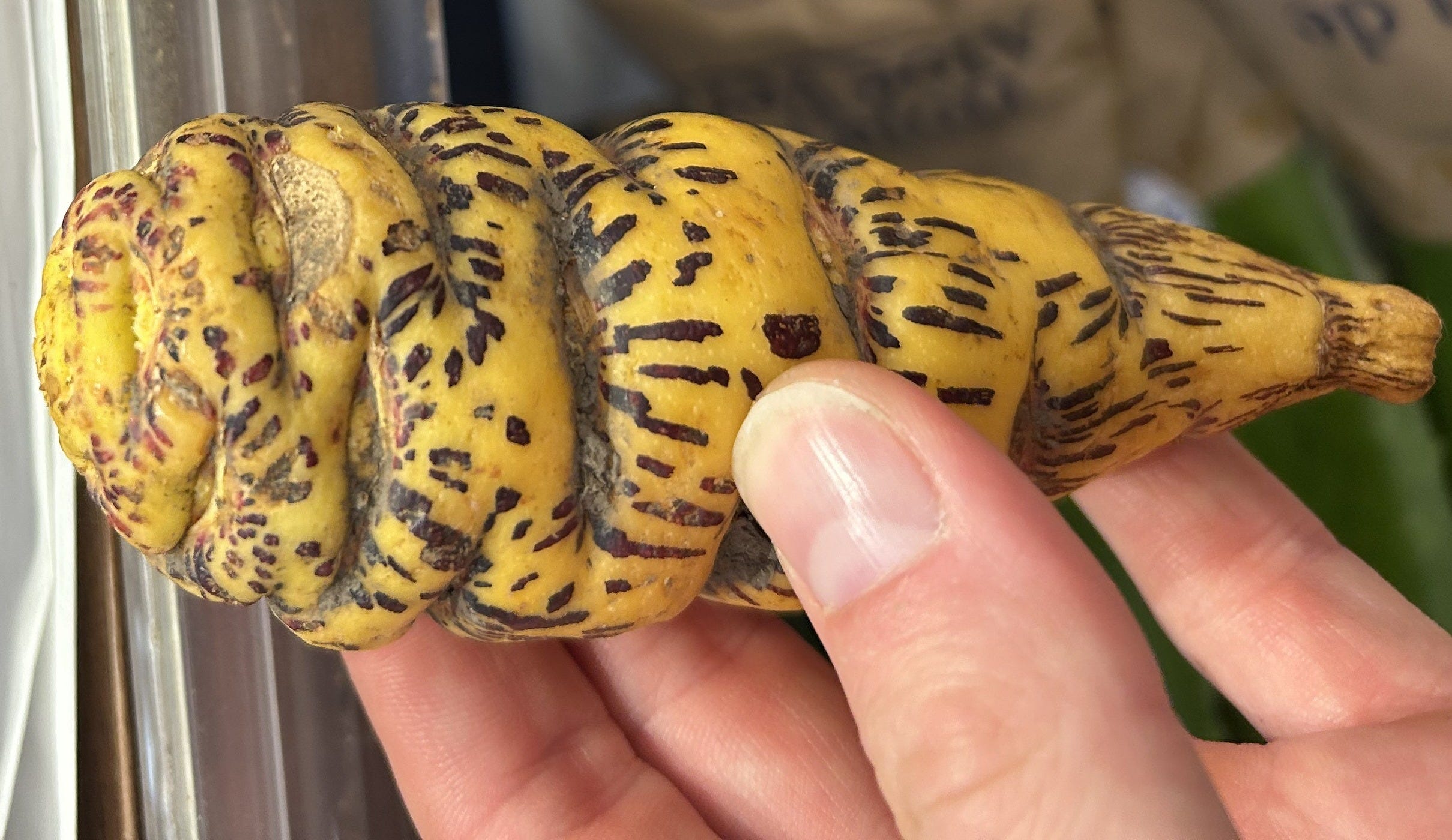
We were in a very different spot of the city than the typical tourist destinations of Barranco and Miraflores. The streets were quieter, well-lit, and a little less interesting. Homes were architecturally beautiful, but the lack of corner stores and the presence of bougie (boujie?) grocery outlets is out of the ordinary. I did find this interesting tuber called a mashua (Tropaeolum tuberosum) that I would have loved to buy, but had no way of preparing in such a short period of time. Apparently it has a sharp, licorice flavor. A root vegetable that tastes like anis is pretty much my dream scenario, but alas, for another Andean adventure.
Recap
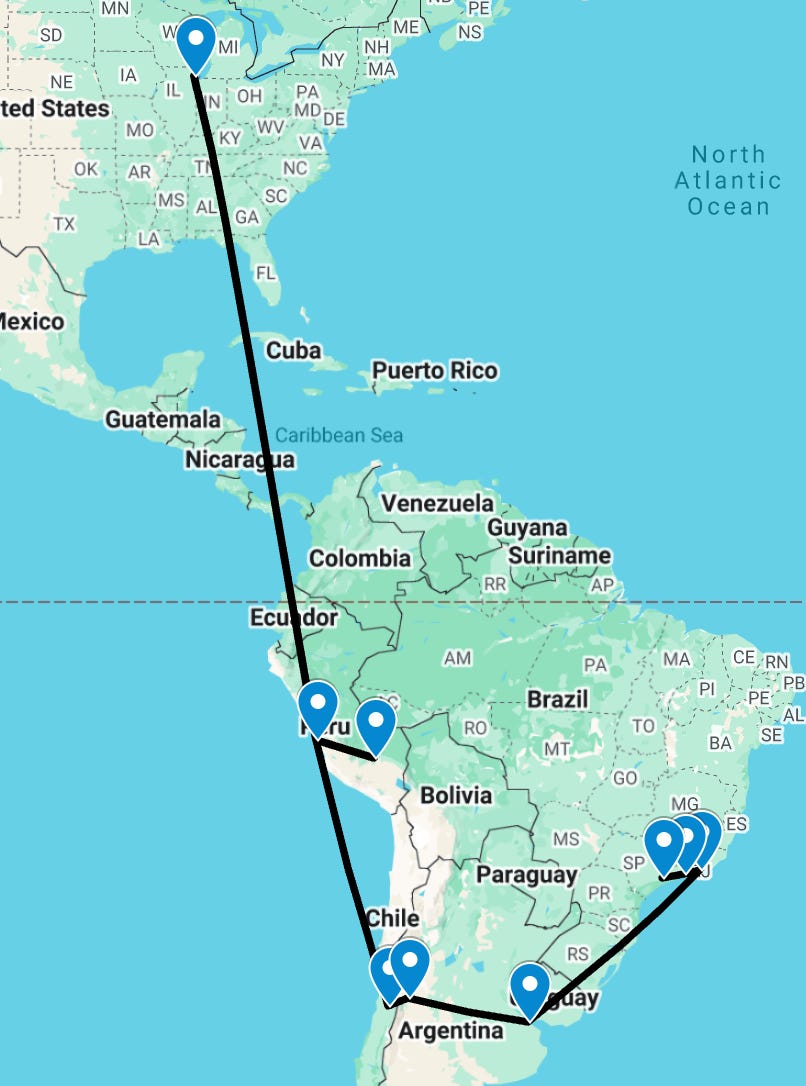
Total Miles: 13,087 mi
Miles Traveled: 4,151 mi
Current City: Lima, Peru
Best thing I’ve consumed
Around 200 years ago, slavery was abolished in Peru, and the coastal haciendas needed new labor. Successive waves of indentured Chinese and Japanese workers arrived under contract conditions that weren’t very different from the rewritten laws.
By the second generation, families were opening small eateries. By the fourth, those eateries had become a defining pillar of Peruvian food culture. Chifa (from chi fan or “eat rice”), Cantonese cooking adapted to Pacific Coast ingredients is now ubiquitous and local. Nikkei cuisine followed a similar arc: Japanese met ceviche culture and used the ingredients endemic to the limeño coast. It’s a pretty stellar combination of flavors and cuisines interacting that we wanted to try while in town. The Spanish spoken also borrows many words from these generations of immigrants. Kion, borrowed from Japanese, is simply the word for ginger.
FAN is a fourth-generation Nikkei restaurant that tries to articulate all of this explicitly. We weren’t blown away, but it was worth the visit for seeing this expression through the years: a trout nigiri that a salty umami bomb, and a Hotate maki with grana padano and tempura was interesting, if nothing else. The clash of Japanese form, Italian dairy, Peruvian fish was a decent snapshot of what Nikkei cooking can do when it’s curious rather than cautious. I very much enjoyed their cocktails like the ume pisco sour and sake negroni.
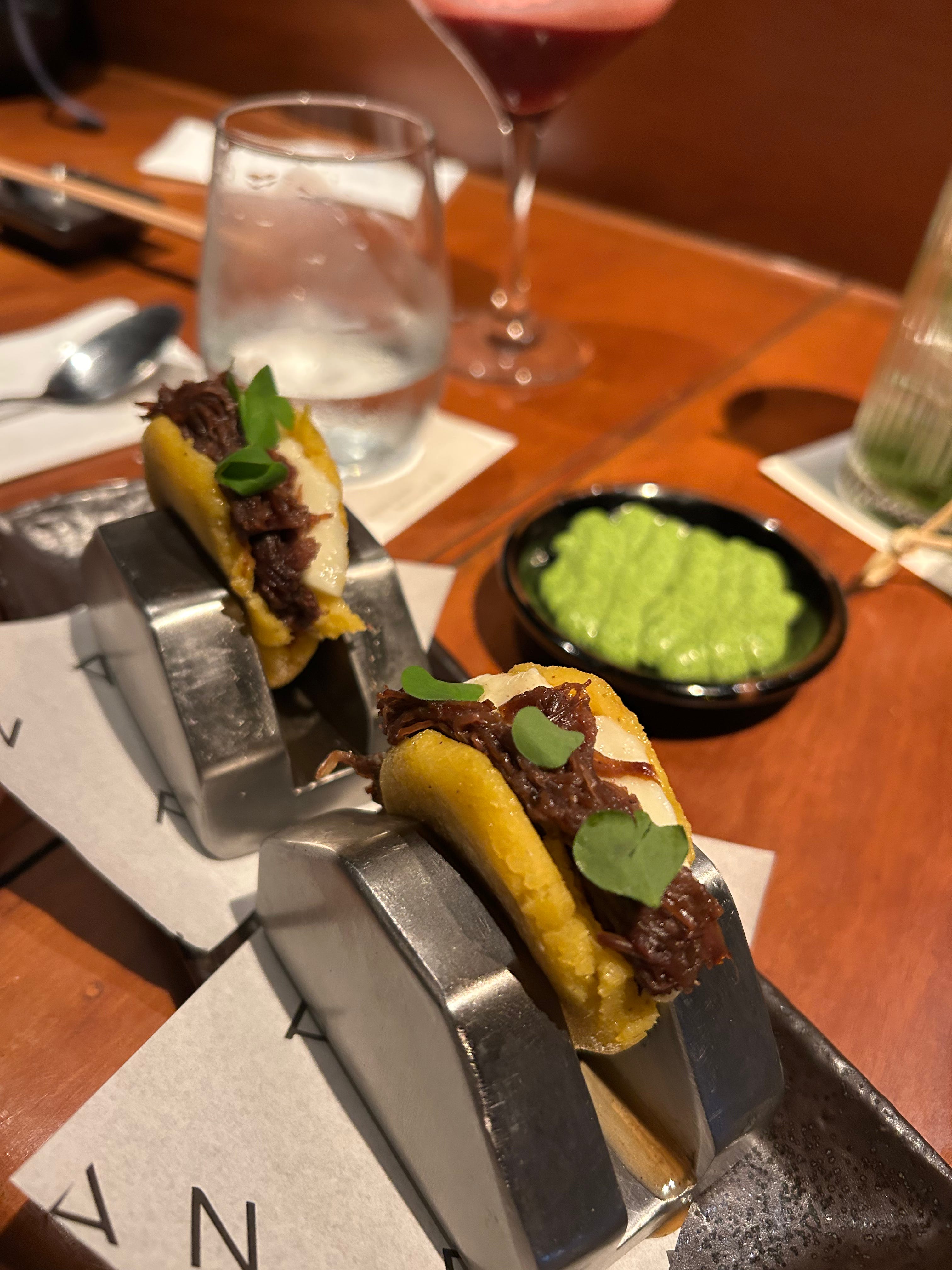
KION was a stellar meal. We got the pork char siu and a Hainanese-inspired chicken with three different types of ají, the typical Peruvian spicy pepper. After burning so many calories on the hike, this hit the spot. Their riff on chicha morada, Peru’s purple corn drink, brought in lycee instead of pineapple, which went a long way in our book.
Final Notes on Peru
We ended our trip going to the Place of Memory, Tolerance and Social Inclusion (LUM) that outlined the guerilla terrorism during the 1980-1992 and the atrocities that happened throughout the Andes. We’ve been reading Death in the Andes and Conversations in the Cathedral by Mario Vargas Llosa who played a part in investigating the killing of journalists during this time period. During our time with Uber drivers, tour guides, and other warm Peruvians we’ve met along the way showed us how much this still impacts society to this day. It’s been a stark reminder that the past doesn’t always repeat itself, but it can rhyme, and it’s up to us all to stay vigilant in keeping everyone in our communities included, protected, and educated in all aspects of daily life.